
Learn AI Agents, Agentic AI & GenAI Before Everyone
Every year brings a fresh batch of "trends that will define the next decade," and most of them quietly disappear from the conversation twelve months later. Here's a more honest filter: which trends are already showing up in day-to-day engineering work, and which ones are still mostly demo videos and keynote slides.
Actually Changing How People Work
1. AI as a standard part of the development workflow
This one is real and it's not slowing down. AI-assisted coding, review, and debugging have moved from novelty to default in a large share of professional teams. The interesting shift isn't "AI writes code now," it's that teams are rethinking what junior-level work even looks like when a lot of routine implementation can be drafted quickly and just needs review.
2. Smaller, more efficient AI models running locally
Instead of every AI feature requiring a round trip to a massive cloud model, more tools are shipping smaller models that run directly on a laptop or phone. This matters for cost, latency, and privacy, and it's showing up in real products, not just research papers.
3. Platforms consolidating around fewer, deeper tools
Teams are quietly getting tired of stitching together a dozen specialized SaaS tools and are consolidating around platforms that do several things reasonably well instead of one thing perfectly. This is less flashy than any AI headline, but it's changing real purchasing decisions.
Mostly Still Hype
1. Fully autonomous AI agents replacing entire job functions
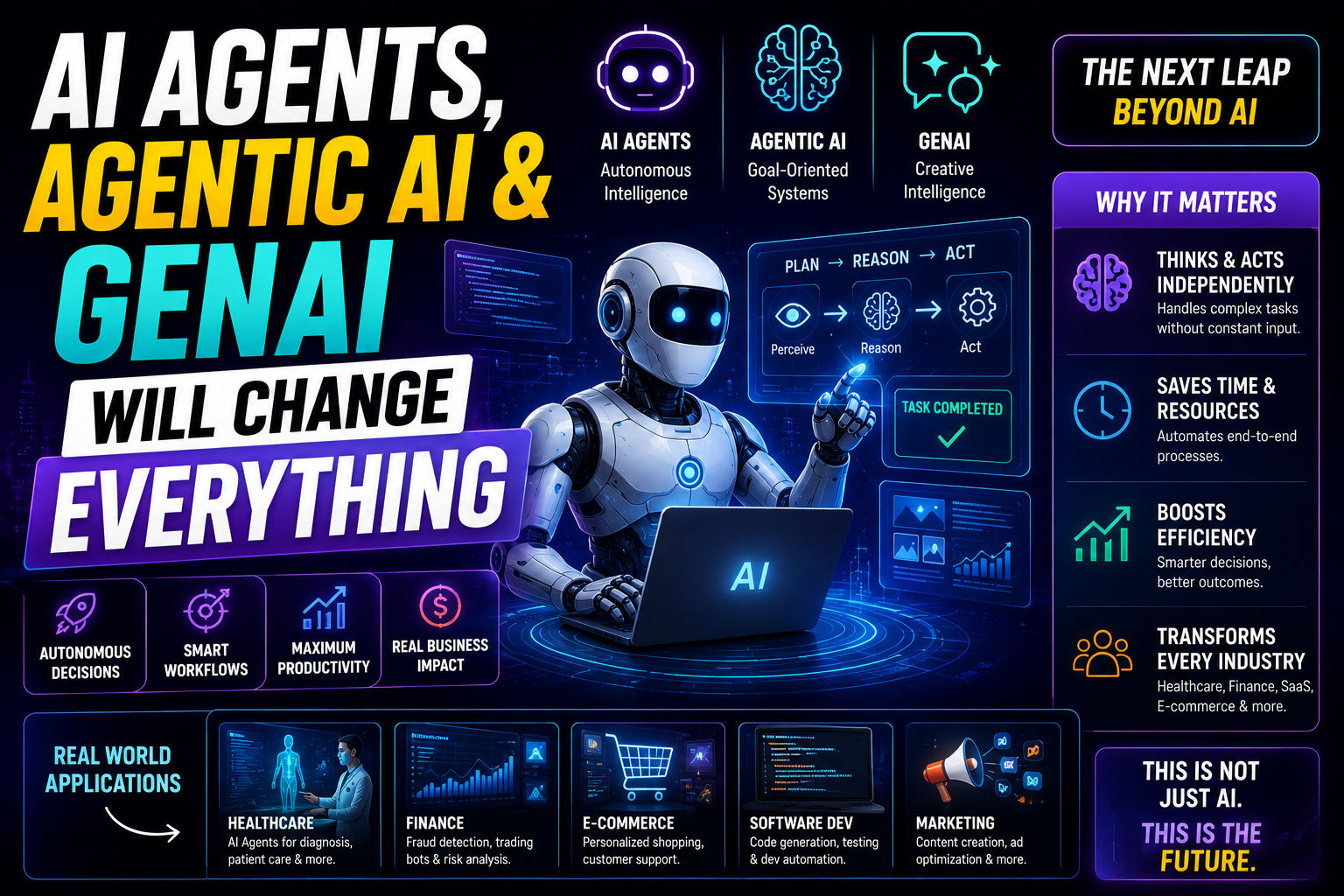
Demos of AI agents completing multi-step tasks end-to-end are genuinely impressive, but the gap between an impressive demo and a system a business trusts to run unsupervised in production is still large. Most real deployments today keep a human reviewing the output, which is a very different thing than full autonomy.
2. Web3 and blockchain as a default for consumer apps
This one keeps getting relaunched under new branding, but mainstream consumer adoption outside of finance-specific use cases hasn't materialized the way it was predicted to. Worth watching in specific niches, not worth building a general product roadmap around.
3. Spatial computing as the "next smartphone"
Headsets and spatial computing devices keep improving, but the broad shift away from phones and laptops that was predicted a few years ago hasn't happened at consumer scale. It remains a strong niche category rather than a platform shift most developers need to prepare for today.
How to Actually Use This List
Don't chase a trend because it's mentioned often. Chase it if you can point to a specific, current problem in your own work that it solves. The safest bet in fast-moving tech isn't picking the "right" trend early, it's staying skeptical of hype, keeping your fundamentals solid, and adopting new tools once they've proven themselves on real problems rather than in demos.